Week 4: The Secret Source – The Site Letter

So last week, our letters went out on sites we’d identified.

Identifying sites with potential is easy, but the next bit is the challenge. Getting a response, then negotiating a deal that works for everybody.

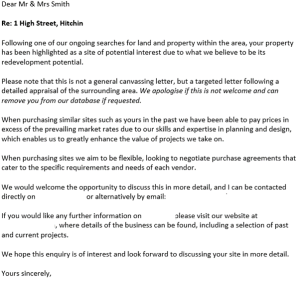
With that in mind, you need to give yourself the best chance of getting a response from the letter, so we have honed our letter so that it’s professional, lets it be known we are serious, experienced, and can drive up the value of land. Another trick we use to increase the odds of a response is to write out the address on the envelope by hand; we find that it gets the best response. When people see that handwritten envelope drop through the door, it intrigues them.

The letter:


We expect a response rate of around 10% on this letter, although not all those responses will want to discuss a deal; some will contact you to say don’t send me another letter!

So, what’s our success rate on the letters sent out last week?

We got seven responses, one of which resulted in a site visit being booked for the weekend, so fingers crossed it goes well. The other six responses were a mixture of where you get my details, I’m not interested, and how dare you contact my elderly parents!

You will upset some people, although we don’t set out to take advantage of anyone. We want to find willing buyers and offer them a deal where we drive up the value of their land, enabling us to pay more than the land use’s current value whilst achieving a profit from it ourselves. I’d say it’s a win-win.

Over the next week, we expect a few more calls to trickle through and hopefully get more site visits booked.

Next week, we will share the site visit details and any other responses we get.

If you missed last week’s newsletter, catch up on it by visiting LANDpreneur.co.uk.

Week 3: Scaling Up Your Land Search: The 108-Letter Strategy

The first part of finding deals is easy: use a service such as LandInsight, where you can scan over your local area and quickly identify interesting plots of land.

What do we mean by interesting? Land which has value-add potential. The best example is where you take a farmer’s field, worth £10,000 – £15,000 per acre as agricultural land, but get planning for residential, which is then worth £1,000,000 plus per acre.

The same principle applies to small-scale stuff. Take the garden to a residential property; if it can be cut off and planning can be achieved, you massively increase the value of the land whilst hardly any loss of value, if any, is felt to the existing residential property. These days, having a small tight garden is standard practice; you just need to find the properties that can lose part of the garden for development while maintaining adequate gardens for the existing property.

Another key factor in our search is identifying sites in areas with reasonable sales values, which we are putting at £350/sq ft. So a 1,000sq ft property is valued at £350k. If sales values are, say £250/sq ft, it’s hard to achieve enough value to justify the work.

We have identified 108 sites and have sent letters to those landowners this week. When undertaking this work, we like to do it all at once, as in sending all 108 letters out on one day instead of sending out one or two letters a week. When we do it all together, we are ready to receive the calls and can arrange our diary so site visits and appraising deals can be done together.

So, what deals have we identified:

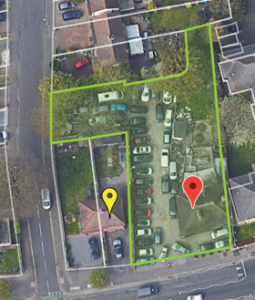
St Albans:

St Albans is a high-value area, which is a great start when looking for sites, as any deals will stack if you can secure at the right price. This site offers lots of potential, and if secured, we would try to secure some surrounding gardens to increase the site. At this early stage, we won’t spend any time working out what we could get on the site as it’s just wasting time until you get a response. We prefer the scattergun approach, where we send out a ton of letters on deals and can study them in detail once we get a response.

The only things we check for at this early stage are the planning history, easily pulled up using LandInsight, access to the site, and ensure the land is private. We avoid any sites owned by the local authority /government, as they generally don’t just sell off land, but have to put land through auctions to be seen to achieve the best price.

We would also target sites in built-up areas, where infill and development will be more acceptable. The only reason we would target the Greenbelt is if we could find sites where we could use permitted development rights to achieve planning.


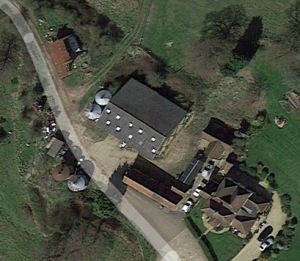
Bedfordshire Village


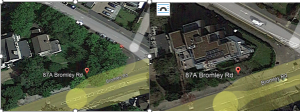
A more significant proposition here with this site offering lots of potential if you can overcome the main issue of access. The current road to the site wouldn’t be adequate, so a new road would have to be sought. But if you could secure this site, you could then secure it on the assumption you need to source an alternative piece of land to secure access. Due to the number of units possible on this it could warrant such costs to ensure access, which is why we feel its worth a letter even though access is an issue.


Hitchin

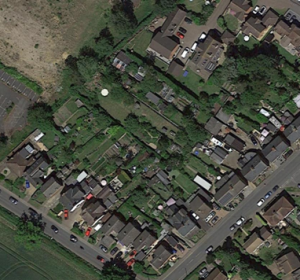
Again, this is an ambitious site. However, with the sites to the south of this plot being already developed it creates an argument that this garden land could be developed.


Bedfordshire Village:

A good number of outbuildings sit just behind the residential units, making this ripe for development to residential. Residential land is the most valuable use class, so changing commercial uses to residential can be profitable.


Hitchin:

Sites like this are obvious, staring you in the face, but often, it just comes down to timing. I’m sure the owner has been approached many times, but you just need that bit of luck so that the owner is ready to listen to offers when your letter lands.


Hertfordshire Village:


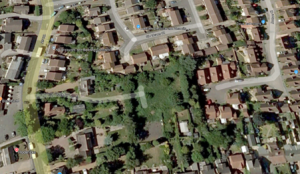
Great potential good-sized site if you can pull it off, surrounded by residential.

This is a selection of 6 sites we have sent letters on. Along with the sites that can be identified by searching over areas on your computer, you should also watch for deals as you go about your day. If you identify land or potential sites, make a note and then check out the owners using LandInsight.

Along with the deals we’ve identified on LandInsight, we’ve also recently identified two extra sites. One of these is in Highgate, a parade of run-down shops, which, after looking for the ownership information, we can see have one owner. Although this site is outside our normal area, with such potential value in the deal, we would travel to try to make it work. The other deal is a single-storey shop I’ve spotted, which sits on a plot with potential due to the surrounding land.

Next week, we’ll share the process of receiving calls, how we manage them, and any initial conversations we have.

If you missed last week’s newsletter, you can catch up on it by visiting LANDpreneur.co.uk

Week 2: Unlocking Hidden Land Deals: Where to Start

So, where do we start when going after deals?

You should focus on your patch, I’d say, within a 30-minute drive so you can easily visit the site. When you get responses to your enquiries, you want to be able to visit promptly, so it is best not to have any friction in the way, like long drives. Plus, when we get a response, we like to visit several times to try and build a relationship with the owner, but more of that later.

So you have your patch. Then what type of deals to look for?

We will focus on:

  1. Infill plots
  2. Knockdown plots / Underutilised Land
  3. Land Assembly
  4. Backland Sites
  5. Brownfield sites
  6. Agricultural Permitted Development – Class Q

Just to give a quick overview of each of these:

  • Infill Plots are small parcels of vacant or underused land within already developed areas, often between existing buildings. Infill development maximises land use and integrates seamlessly into established neighbourhoods.

  • Knockdown Plots / Underutilised Land involves demolishing existing buildings, typically outdated properties that sit on large parcels of land. It allows the new development to better utilise the land and drive up the land’s value.


  • Land Assembly – This process involves acquiring multiple adjacent plots (often gardens) to create a more significant site for development. It can enable projects that wouldn’t be feasible on the individual plot. For this, we recommend only trying to assemble two or three gardens at a time, as the more gardens you go after, the more challenging it is to deal with the landowners.


  • Backland Sites – These are plots of land located behind existing buildings within the built-up area. The main challenge on these sites can be achieving access, as many are landlocked.


  • Brownfield Sites – These are previously developed lands, often industrial or commercial, that may require remediation before new development. They are prioritised for redevelopment to reduce urban sprawl and revitalise derelict areas.


  • Agricultural Permitted Development – Class Q – This planning rule in England allows the conversion of agricultural buildings, such as barns, into residential properties without full planning permission, subject to specific conditions. It provides a way to repurpose rural structures efficiently.


So now we know the types of deals we’ll be going after, and we need the means to do this quickly and easily.

For this, we use Land Insight from Land.Tech enables us to scan over areas with the title plans shown, where we can spot pockets of land with potential along with the title plans, which are easily downloadable and show us the land owners and the details for where to send the letter.

Now we have the types of sites we will be targeting and the software, meaning we can very quickly identify sites which fit our criteria and for which we can send out a letter, hoping to get a response from the landowner who will be intrigued enough by our letter to get in touch.

Next week, we’ll show you the deals we’ve identified and the letter we use.

If you missed last week’s newsletter, you can catch up on it by visiting LANDpreneur.co.uk

If you’ve thought about doing this yourself or have not had much success with it, please email us at info@LANDpreneur.co.uk and share your story. We’d love to help you out if we can.

Week 1: Can I Turn £1 It into £150k Profit?

Morning on this crisp February day! We’ve had a few weeks off but are returning to kick off 2025.

We went a bit quiet on you in January. Busy mapping out the year ahead, along with day-to-day challenges getting in the way.

Our 2024 posts were a mixture of discussing great deals, which we always find helpful to analyse so we can hone the skill of spotting a great deal, along with our thoughts on getting ahead in the property development game.

But to kick off 2025 (even if we’re a bit late sitting here in February), we will share with you how we find great deals, giving ourselves 8 weeks to find such a deal and sharing our progress each week.

But, with no large chunks of cash to invest currently, due to all our money being tied up in other deals, how will we go about this? Plus, we have enough work to keep us busy through to the middle of 2026.

So, what does that lead us to? Options!

We need a deal which we can secure for ideally 24 months on a £1 option fee, have the planning costs (say approximately £30k) to fund, then either trade the deal on for £150k+ profit or exercise the option and develop out ourselves.

Over the next several weeks, we’ll map out how we go about this, what types of deals we go after, the letters we send, share the number of responses we get, how we analyse and evaluate each deal, how negotiations go with landowners, and then hopefully how we ultimately secure a deal.

The outline plan:

  1. Identify approximately 100 sites in our area
  2. Send out letters to each landowner
  3. Await responses
  4. Appraise deals where we get a response
  5. Carry out site visits on any promising sites
  6. Undertake negotiations
  7. Secure site on £1 option fee
  8. Take through the planning process
  9. Secure planning permission
  10. Trade on the deal or exercise the option

For each step, we will try to share how anyone can do this so you can follow the process and find some deals yourself.

It is pretty basic stuff, identifying sites, sending letters, and negotiating. The key is identifying sites with some potential and how you negotiate with the owners so they want to do a deal with you.

I recently spoke to someone who said they’d sent out 1000 letters and not got a deal! I don’t know what this person was doing or what types of deals they were going for, but after 1000 letters, you should have a significant pipeline of deals. They could have been targeting the wrong kinds of deals or just been awful at negotiating; either way, they’re doing something wrong.

Next week, we’ll start sharing the deals we’re going after.

If you’ve thought about doing this yourself or have not had much success with it, please email us at info@LANDpreneur.co.uk and share your story. We’d love to help you out if we can.
I’ll Start Tomorrow… But Not Today

We’ve all been there: dreaming big when we’re young. But as time goes on, those dreams start to fade. It’s like everyone’s waiting for tomorrow to finally take action. But here’s the kicker—tomorrow never actually comes.

The only way to make your dreams a reality? Start now. If you keep putting it off, the days, weeks, months, and years will fly by. And before you know it, you’re still stuck in the same place, waiting for the “perfect time” that never arrives.

You look at others who are living their dream, doing what you want to do, and think it came easy for them. Guess what? It didn’t. They’ve faced the same fears, struggles, and uncertainty you’re feeling right now. The difference? They took action.

You’ve got two choices: lean into the fear, push through it, and make it happen—or back down and let your dreams slowly slip away.

We hear a lot about stress and anxiety these days, like it’s a modern issue. But honestly? Stress is part of the process. It’s survival of the fittest. Just like a diamond forms under pressure, so do your dreams. Without that stress, you wouldn’t grow.

You have to learn to live with it. Because if you don’t, you’re choosing failure by default. The pressure and fear? They’ll fade over time. But giving up on your dreams? That’ll haunt you forever.

The trick? Face your fears head-on. Get comfortable with discomfort. That’s why they say, “Eat the frog first.” Tackle the hardest thing on your list at the start of the day, and everything else feels easier.

So, let’s make this the year you go after your goals. No more waiting. No more excuses.

Good luck!

Hey Future Property Tycoons

You’ve got the dream: turning dirt into dollars. But let’s be real—property development isn’t a get-rich-quick scheme. (If it were, we’d all be sipping piña coladas on private islands by now.)

You don’t just stumble into this game and hit the jackpot on day one. It takes hustle, smarts, and a nose for deals that others miss.

And if you’ve been at it for a while without seeing the big bucks roll in, ask yourself: Am I really grinding, or just pretending to be busy? The truth is, the deals are out there. You just need to dig deeper, stay patient, and pounce when the right one comes along.

Here’s why property development is worth the effort: leverage.
Where else can you turn an overlooked piece of land into a six-figure payday just by repositioning it? Nowhere. But only if you know what you’re doing.

We’ve got you covered. Here’s your crash course:

7 Tips to Go from Rookie to Real Estate Rockstar

  1. Be a Nerd About Property
    Before you can win the game, you need to learn the rules. Study the market. Watch what successful developers are doing. Break down their deals. Learn how to value properties, understand build costs, and spot opportunities like a pro.
  2. Master the Art of the Search
    Your first deal won’t fall into your lap—it’s hiding under a pile of “meh.” Be ready to sift through the rubble. Hunt on Rightmove, planning portals, forums, word of mouth, or even door-knocking. Consistency + patience = finding that diamond in the rough.
  3. Get Scrappy
    The best deals don’t have flashing neon signs. See a plot of land that looks underused? Call the owner. Send a letter. Knock on their door. Hustle. The harder you work to uncover off-market gems, the better your odds.
  4. Learn the Magic of Planning
    Planning permission can be your best friend. Study it like it’s the cheat code to a game. If you can spot opportunities for planning uplifts (a.k.a. turning blah into brilliant), you can skyrocket property values.
  5. Find a Mentor (and Offer Sweat Equity)
    Partner with someone who’s been there, done that. Offer to work for free or bring them deals. They’ll guide you, point out pitfalls, and help you level up. Maybe you’ll earn a finder’s fee—or better yet, a slice of the action.
  6. Obsess Over the Search (Seriously)
    This one’s worth repeating: search, search, and search some more. Deals don’t just show up—you have to dig, and then dig again. The harder you hunt, the luckier you’ll get.
  7. Focus on Value-Add Opportunities
    The secret sauce is finding properties where you can add massive value—like buying a three-story pub with a big backyard for today’s value, but unlocking tomorrow’s value by transforming it.

The Harsh Truth

Most newbies won’t do this. They want shortcuts and six-figure wins without the work. But here’s the thing: if you’re willing to put in the effort—studying, grinding, and relentlessly searching—you can make it happen.

You’re only one deal away from a game-changer. Take a small unit, intensify its use, and watch the profits roll in. Mega deals are nice, but don’t sleep on smaller wins—they add up fast.

So, what’s the hold-up? Deals are out there. It’s time to find yours.

Go get it.

“It Takes Money to Make Money”? Not Quite. Here’s Why.

You’ve probably heard it before: “It takes money to make money.” Usually, this comes from people who haven’t made much money themselves. But here’s the thing — why would you listen to someone’s money advice if they’ve never actually made any?
A lot of us grow up hearing sayings like “money doesn’t grow on trees” or “rich people are just lucky.” This kind of thinking makes it seem like earning big money is almost impossible, and only for “other people.” But in reality, the problem isn’t that it’s impossible — it’s that most people don’t even try. They don’t take risks or explore opportunities, and years down the line, they regret not giving it a shot.
Let’s talk about property development (our thing), but this applies to anything. The tools to make it happen are easier than ever to access. The real question is: are you trained to spot opportunities when they come along? If you don’t recognize them, you’ll miss them — and once you miss one, it becomes a habit.
Here’s a story. A guy we know worked on construction sites for years, and he was tired of being on the tools. He had saved up £50k and wanted to invest in something bigger. We told him about a site management job we had, where he could manage the project and also invest his £50k. It was the perfect chance to shift from working on-site to working on his future.
But he turned it down. Said it wasn’t the right time because of his workload. Now, we think the real reason was fear. He had never stepped out of his comfort zone, and taking a risk was too much for him. He thought the deal was too risky. But here’s the thing — we knew the risks inside and out. We had more on the line than he did, and the deal was pretty low-risk. Worst-case scenario? He wouldn’t make as much as he hoped. But he wouldn’t lose his £50k. Even if the site management didn’t work out, he could always go back to his old job. It was a no-brainer for him. But he passed.
Fast forward 12 months. His £50k could’ve turned into £100k. And if he’d kept going, he could have grown that pot with more deals. It’s a classic case of “money doesn’t grow on trees,” but the truth is, he had the money — he just didn’t use it.
So, what do you do if you’re interested in property but don’t have a lot of capital? Here’s a simple answer: go knock on doors.
Seriously. It costs nothing to knock on a door and make a deal happen. Developers are always looking for great deals, and if you bring one to them, they’ll likely pay you a finder’s fee — or even better, they might partner with you, give you equity, and show you the ropes. It’s a win-win.
The reality is, a lot of top developers run out of money at some point, but that doesn’t stop them. They get creative: they partner up, use options, and structure deals in ways that don’t require a huge upfront investment. Not doing deals because you don’t have funds? That’s just an excuse.
And hey, if you can bring me a deal with a GDV over £3 million and a 40% return on costs, I’m definitely not turning you down. We’ll pay you a fat commission, or even better, you could get equity in the deal and learn the ropes as we take it through planning and development.
The bottom line: We need deals. Go find them.


From £4.2M to £60M: The Power of Value Creation


Creating a mega deal? Totally doable.

Identify a piece of land where value can be created, such as an industrial piece of land which would have way more value as residential. If you find one of these industrial sites on the edge of the industrial area, next to a residential area, it makes it a natural extension of the residential area.

Once you’ve identified such a the site then knock on some doors and see if you can secure such sites on an option or on a subject to planning basis. Once you have secured the site you can work with your partners to secure planning and then trade the site on once planning is achieved.

Take, for example, this site in Harlow. It was bought “subject to planning” for £4.2m. The location? Perfect. Right on the edge of an industrial estate, next to a residential area, and with solid transport links.

Fast forward, and planning was granted for 172 units and 10,000 sq ft of office space. The GDV (Gross Development Value)? Around £60m. So, buying it for £4.2m? Absolute steal.

The key here is creating value. Master that, and you’ve got the magic formula.

Why Can’t I Find A Good Deal?


Here’s the thing: if you’re buying deals off the market, you’re probably looking at a 20% margin—maybe less. So how do you find the really good stuff? You have to create the value yourself.


Some people swear by finding off-market deals, claiming that anything on the market is already picked over and won’t deliver decent returns. And yeah, it’s true that most listed properties aren’t going to make you a ton of money (after all, som eone’s already done the heavy lifting with the planning). But it’s not always the case. Every once in a while, you’ll find a listed deal that’s actually got some juice left in it.

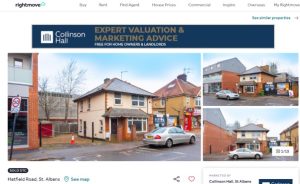
Take this one as an example. A site was listed for £800k, with planning permission for 6 units. But after some negotiations, the agreed purchase price came down to £770k.

Now, here’s the kicker. The first rule of development (and we’ve said it before, but it bears repeating) is: Add Value. So the big question is, how can you take that site and make it worth more?

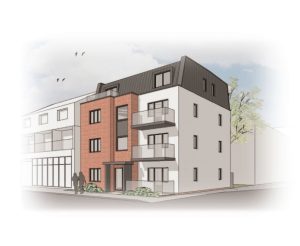
In this case, it was obvious: add a 4th floor. Why? Because the surrounding area supported it. But here’s the twist—rather than slapping on a generic 4th floor, we designed it as a mansard roof to keep the planners happy and make the project more appealing.

With that tweak, the planning was revised to 8 units, which drove the Gross Development Value (GDV) up to £2.9m. The build cost for the 5,000 sq ft site came in at around £1m, leaving a potential profit of £1.1m (or 60% on costs). That’s a juicy return for a site that was listed on the open market.

So, what else can you do with a deal like this? You could buy it, lock in the planning gain, and flip it. After securing planning, it’s reasonable to expect a £200k-£300k profit just from the sale to a local builder who’s looking for a ready-to-go project with planning in place and is happy to work with a 20% margin.

But, if you decide to build it out yourself, the planning gain is like a safety net that makes the deal a lot less risky and way more profitable.

The bottom line? Whether you trade it or build it, the value is in creating an opportunity where others see only a listing.

Addington Business Park

An irregularly shaped site of about 4.59 acres, consisting of a mix of portal frame warehouses and office buildings, totalling 32,880 sq ft. To the rear of the site was large yard used as open storage.

This site was listed in the auction showing £67,790 of income, with 25,470sq ft vacant, and very short leases.

One of the country’s top investors snapped it up, believing it to be a bargain. What did he see that others didn’t? A rural location some 20 minutes from the outskirts of Milton Keynes.

One inside track he most likely had was from a local commercial agent who believed he could rent it easily. With empty units it obviously offered an easy opportunity to boost the rents if you could maintain the existing tenants.

Following purchase unit 1 was soon let out for £23,000, Unit 2 £13,000, Unit 5, £48,000, Unit 7 at £13,000, Unit 8 £13,000, the yard was rented at £58,000. I can’t find data for unit 4, but let’s put it in at a pro-rata rate, £40,000. That brings the total rent roll to £208,000.

Off the record, I heard the income had risen to £320,000, and the total investment in the site was £200,000

The site was purchased for £950k, at a 7% return. Once fully let the site showed a 22% return. A fantastic deal.

So, what can we learn from this? The purchaser knew he could rent such units, most likely based off his own knowledge and that of his close contacts, the commercial agents. Others looked at the site and, based on the short leases and vacant units, didn’t see the value.

The site offered lots of potential with its mix of units and open storage, with the potential to expand by developing more units, along with a potential fallback position of redeveloping the site to residential should the units have proved hard to let.


The site consisted of a total of 32,780sq ft plus the storage land. Excluding the storage land, the buildings sold for £29/sq ft, a price you couldn’t build them for, so you effectively got the land for free and the buildings for less than build cost.

Those sites in future that have a poor rent roll, vacant units, look a bit scruffy and run down, might just be a piece of gold.